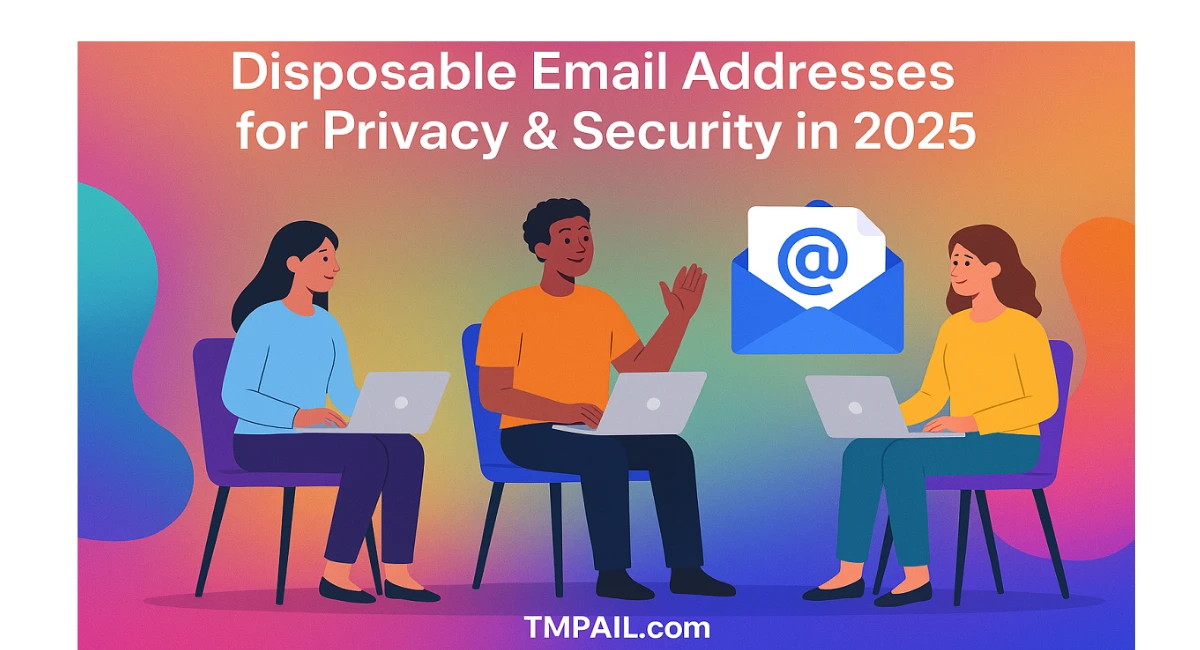
Disposable Email Addresses for Privacy & Security in 2025
How Disposable Email Addresses Help You Stay Private and Secure Worldwide in 2025
In today’s hyper-connected digital world, privacy and online security have become top priorities for millions of users everywhere. Whether you’re signing up for a new service, testing an app, or simply trying to avoid spam, disposable email addresses offer a smart solution. These temporary email services provide instant protection against phishing, spam, and identity theft by keeping your real inbox safe. Especially in 2025, as cyber threats evolve globally, using a throwaway email is an easy, effective way to maintain internet anonymity. From the USA to Europe and Asia, people are turning to temp mail providers to guard their personal information while staying connected. This article explains why disposable emails matter and how they keep you secure worldwide.
Introduction: Why Disposable Email Addresses Matter in 2025
Privacy concerns are rising as online threats become more sophisticated. Everyone, from casual internet users in the USA to professionals worldwide, needs a way to protect personal information. Disposable email addresses provide a simple, practical tool to enhance online security. These temporary emails help reduce the risk of spam, phishing, and identity theft while allowing users to interact safely with websites and apps globally.
What Are Disposable Email Addresses?
Disposable email addresses, also known as temp mail or throwaway emails, are temporary email accounts created to use for short periods. Unlike your regular email, these addresses usually expire after a set time or after receiving a certain number of emails. Their main purpose is to protect your personal inbox by acting as a shield. When you sign up for online services or newsletters but don’t want to share your permanent email, disposable emails offer a quick and anonymous option.
The Growing Importance of Online Privacy and Security
Online security has become critical due to the rise in cyberattacks like phishing, spam, and data breaches. Every time you share your real email address, you increase the chance of unwanted marketing, hacking attempts, or even identity theft. Cybercriminals often target email accounts because they hold personal and financial information. Using a disposable email helps you keep your real inbox safe, minimizing exposure to these threats.
Top Benefits of Using Disposable Emails Worldwide
One of the biggest benefits of disposable email addresses is reducing spam and marketing emails that flood your inbox. They also protect your personal data from being exposed in breaches or sold to marketers. When traveling internationally or signing up for services from different countries, disposable emails provide a safe way to stay anonymous. You can sign up quickly without worrying about long-term commitments or privacy risks.
How Disposable Email Services Work Behind the Scenes
Creating a disposable email is easy and usually requires no signup. Services generate a random email address instantly, which you can use to receive emails for a short period. These addresses often auto-delete after a set time, ensuring your temporary inbox stays clean. Features like anonymity and no personal data required make them especially appealing. Trusted providers like TMPail offer secure, reliable services accessible worldwide, making it simple for anyone to protect their email privacy.
Disposable Email vs Permanent Email: Which to Use When?
Permanent emails are for daily, long-term communication and usually contain personal or professional information. They’re essential for banking, work, and important accounts. Disposable emails are designed for short-term use, like signing up for free trials, newsletters, or testing websites. They provide a safer alternative when you want to avoid spam or protect your real address from exposure. Both have their place, and knowing when to use each helps keep your digital life secure.
Real-Life Use Cases for Disposable Email Addresses Around the World
Disposable emails are handy for many scenarios globally. For example, signing up for international newsletters or free trials without sharing your real email helps avoid spam. Business travelers use them to keep work and personal communications separate when abroad. They’re also useful for testing new apps or websites without risking your permanent inbox. Wherever you are, disposable emails provide a flexible, secure way to manage your online identity.
How to Choose a Reliable Disposable Email Service in 2025
When selecting a disposable email provider, look for strong security features and transparent privacy policies. Check how long emails are stored and whether your data is deleted automatically. Services that don’t require personal info and are accessible worldwide are ideal. Avoid providers that flood your inbox with ads or sell your data. Trusted services like TMPail focus on user privacy and global reliability, making them a smart choice in 2025.
Common Myths and Concerns About Disposable Email Addresses
Some believe disposable emails are insecure or get blocked by websites. While certain sites do block these emails, many providers work hard to offer trusted domains that avoid blocks. Disposable emails are legal and effective tools for privacy, not scams. Understanding this helps users confidently protect their online identity while complying with laws like GDPR (learn more here) and CCPA.
Conclusion: Protect Your Privacy Worldwide with Disposable Emails
Protecting your privacy in 2025 requires simple, effective tools. Disposable email addresses offer a safe way to keep your personal inbox secure from spam, phishing, and identity theft. Whether in the USA or abroad, you can stay anonymous and in control of your digital footprint. Try trusted services like TMPail today and enjoy a safer, more private online experience.
FAQs About Disposable Email Addresses
1. What is a disposable email address?
A disposable email address is a temporary email you use to protect your real inbox from spam and unwanted messages. It lasts for a short time and then disappears.
2. Are disposable emails safe to use internationally?
Yes, trusted disposable email services are designed to work worldwide and help protect your privacy no matter where you are.
3. Can I use disposable emails for important accounts?
It’s best to use your permanent email for important accounts like banking. Disposable emails are ideal for signups, trials, or one-time communications.
4. Will websites block disposable email addresses?
Some websites block disposable emails, but many reliable services work around this by providing trusted domains. TMPail is one such example.
5. How do disposable emails protect my privacy?
They keep your real email hidden, reducing spam, phishing attempts, and the chance of your personal data being exposed in breaches.